 DIM One HEALTH 2.0: Call for offers 2026 - INVESTMENT-
January 13 - July 10, 2026
Île-de-France (France)
|
DIM One Health 2.0 Presentation
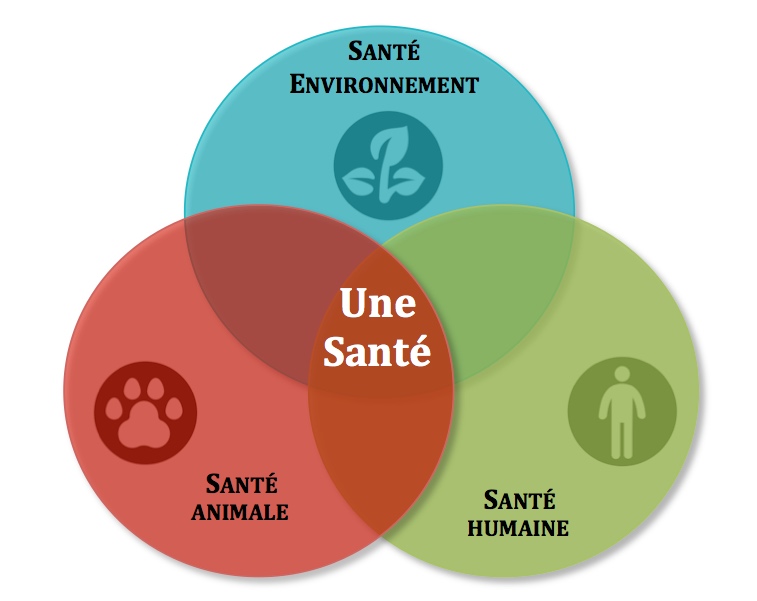
Major Areas of Interest (DIM) • encourage the structuring of teams and research networks in Île-de-France around major research themes of strategic importance for the region DIM.tiff The “Major Area of Interest” accreditation aims to structure a network of research stakeholders around a theme that brings together several disciplines. The DIM-1HEALTH 2.0 network coordinates the selection of scientific projects from the Île-de-France research community in the field of infectiology, based on the concept “One World, One Health.” DIM-1HEALTH 2.0 is an open network, accessible to any research entity in Île-de-France, whether or not its supervising institution is a partner of the DIM. The only prerequisite is that the application meets the eligibility criteria of the current call for projects. Its goal is to promote cross-disciplinary, innovative, high-level research on human and/or animal infectious diseases in the context of global changes and their pathophysiology, while encouraging the development of networks composed of Île-de-France research teams with complementary expertise. DIM-1HEALTH 2.0 aims to structure and federate the activities of researchers, engineers, and academic staff from the Île-de-France Region, with or without the involvement of a private partner engaged in surveillance, epidemiology, health sociology, diagnosis, prevention, and treatment of infectious diseases, as well as in the study of the microorganisms (bacteria, fungi, parasites, viruses, and prions) that cause them. It publishes calls for projects to support the development of research involving teams based in Île-de-France. The objective of DIM One Health 2.0 is therefore to promote innovative research projects, either fundamental or applied, within a “One Health” framework, integrating aspects of human health, environmental health, and animal health, focused on infectious agents and structured around two main axes. AXIS 1: Origin – Causality/Etiology and Assessment of Infectious Risks Addressing and assessing infectious risks first requires documenting the multiplicity of relationships between humans, animals, and their environment across diverse contexts. The themes covered under this axis include: • Understanding host–pathogen interactions AXIS 2: Intervention – Proposals for Operational Solutions This axis focuses on diagnostic, preventive, and therapeutic aspects related to pathogenic agents. The themes addressed include: • Diagnostic strategies for infection screening (sequencing, mass spectrometry, bioinformatics tools) |